
How Communal Coding Spaces Are Building The Next Generation Of Developers?
Introduction
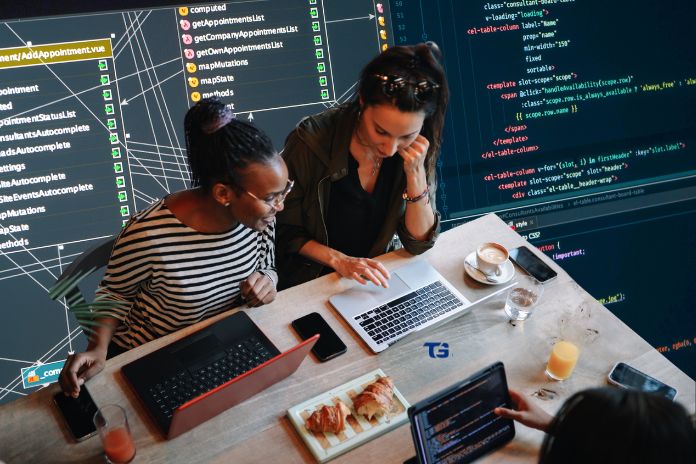
Communal coding spaces have emerged as vital platforms for aspiring and experienced developers alike, providing much more than access to technology or internet connections. These spaces offer nurturing, innovation-driven environments tailored for learning and collaboration, laying the foundations for transformative growth within the tech world. With the evolution of programming culture, the concept of what is vibe coding has underscored the importance of community, mutual support, and creativity in programming settings.
Unlike solitary development or remote-only learning, communal coding spaces connect individuals with similar aspirations and diverse backgrounds. This sense of togetherness not only makes technical mastery more approachable but also fuels personal and professional development, ensuring participants are well-equipped to face the challenges of the ever-evolving technology industry.
The value of these environments goes beyond coding knowledge; they foster communication, teamwork, and networking capabilities that are often overlooked in traditional educational paths. Where many educational and online tools fall short on real-world engagement, communal coding spaces fill the void with energy and practical exchange.
As software continues to drive global change, these collaborative hubs have become beacons for newcomers and professionals seeking continuous improvement and real-world exposure. They play an essential role in building up the confidence, networks, and expertise necessary to launch successful tech careers.
Key Takeaways
- Communal coding spaces provide collaborative environments that enhance learning and innovation among developers.
- These spaces are instrumental in fostering diversity and inclusion within the tech industry.
- Access to communal coding environments can significantly boost skill development and career opportunities for aspiring developers.
The Rise Of Communal Coding Spaces
The surge in popularity of communal coding spaces is closely linked to the broader movement toward shared workspaces and tech incubators. Over the past decade, these spaces have transformed from simple co-working areas into dynamic centers of innovation. They are now equipped with state-of-the-art technology and host regular workshops, project-based hackathons, and expert-led mentorship sessions. In cities around the globe, developers gather in coding bootcamps, hackerspaces, and tech meetups, benefitting from direct access to tools, knowledge, and a community that nurtures their ambitions.
Part of this rise is driven by the increasing demand for software skills across industries. Employers and industry leaders now recognize that a collaborative mindset, fostered within these spaces, can be as valuable as technical know-how. Communal coding environments play a significant role in encouraging teamwork, facilitating peer learning, and exposing developers to real-world problems and innovative solutions. According to a Forbes report, communal workspaces have significantly contributed to the growth of tech talent and startup activity worldwide.
Benefits Of Collaborative Environments
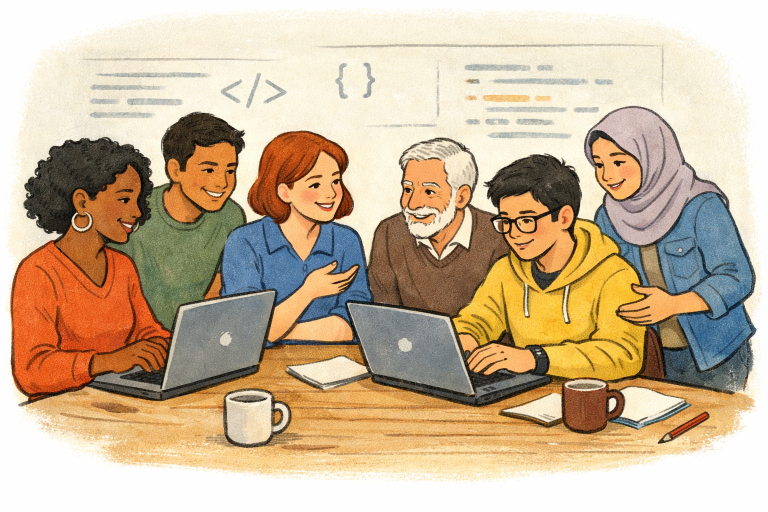
The collaborative nature of coding spaces yields a host of advantages for participants at all skill levels. First, peer-based learning is a powerful way to reinforce programming concepts and problem-solving skills. When working alongside others, developers can brainstorm solutions together and support one another in overcoming common barriers, reducing the sense of isolation that often accompanies solo learning and remote work.
Enhanced Learning
Peer-to-peer interactions frequently lead to deeper understanding and knowledge retention. Developers can seek help, mentor others, and exchange insights on best practices and new technologies.
Networking Opportunities
These environments encourage connections not only between participants but also with industry professionals, visiting speakers, and potential employers. Such exposure often leads to internships and long-term career opportunities.
Resource Accessibility
Communal spaces are typically equipped with up-to-date computers, development kits, and software licenses, enabling advanced development and experimentation for a broader range of learners without significant financial barriers.
These benefits position communal coding environments as critical incubators for innovation and professional growth. They help bridge the gap between theory and practice, preparing aspiring developers for the demands and expectations of the tech workforce.
Fostering Diversity And Inclusion
One of the most transformative qualities of communal coding spaces is their focus on creating inclusive and diverse communities. By intentionally opening their doors to underrepresented groups in tech, such as women, people of color, and individuals from underserved backgrounds, these spaces break traditional entry barriers and cultivate perspectives previously absent from the mainstream industry.
Inclusive coding environments introduce more voices into conversations about problem-solving and innovation, ultimately leading to richer, more effective solutions. Dedicated outreach programs, accessible scholarships, and inclusive policies help ensure that everyone who wishes to pursue a career in technology has the resources and support necessary to succeed. For further reading on how diversity drives innovation in tech, visit this McKinsey report.
Real World Examples
Several high-impact initiatives illustrate the real-world benefits of communal coding spaces:
- Hack Club’s Undercity Program: This four-day event in San Francisco gathers teen coders to work together on ambitious hardware and software projects. By cultivating an environment where young people share experiences and mentor one another, the program drives both innovation and a strong sense of community.
- Google’s Code Next is an initiative designed to train and mentor young coders of color. Through hands-on activities, exposure to industry professionals, and access to the latest technologies, the program removes hurdles that students often face, helping them thrive in one of the most competitive industries.
Both programs demonstrate the tangible results that can be achieved when passionate learners are provided with a communal, inclusive space to grow and collaborate.
Impact On Skill Development
Regular participation in communal coding environments accelerates technical and interpersonal skill development. Developers are challenged with real-world problems, familiarized with industry standards, and provided with direct peer and mentor feedback. These experiences lead to better coding practices, stronger portfolio projects, and greater confidence during job interviews and internships.
Beyond technical prowess, these spaces cultivate soft skills like teamwork, leadership, and effective communication, which are essential for long-term success in the tech industry. As coding becomes increasingly collaborative in live workplace settings, the ability to cooperate and innovate in group settings is proving ever more valuable.
Challenges And Solutions
Despite their promise, communal coding spaces also face several challenges. Securing funding and resources can be difficult, especially in underserved areas, while maintaining an inclusive, supportive culture requires ongoing effort and thoughtful policies. Additionally, not all participants may have the same background, leading to knowledge gaps that need to be bridged with mentorship and assistance.
Solutions to these issues often involve partnerships with local businesses, educational institutions, and industry sponsors. Financial support can be leveraged to provide equipment, scholarships, or transportation subsidies. Thoughtful leadership, community guidelines, and dedicated outreach initiatives ensure spaces remain welcoming and productive for all participants.
Conclusion
Communal coding spaces are reshaping the landscape of technology education and professional development. By prioritizing collaboration, inclusion, and real-world learning, they empower individuals from all backgrounds to drive innovation and build successful careers in the tech industry. For anyone interested in programming, seeking out or supporting communal coding spaces can be a transformative step toward personal and professional advancement.
Also Read: 9 Best Enterprise Collaboration Software for Modern Workplaces
