
How AI Code Security Helps Identify Code Gaps During Mergers?
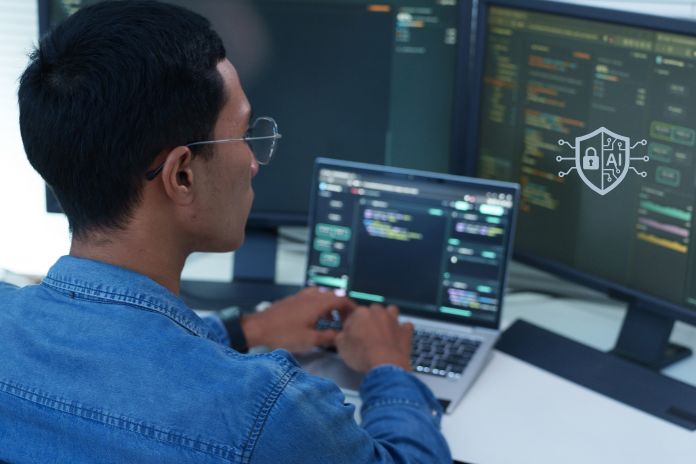
Mergers are supposed to feel exciting. New markets. Bigger teams. Fresh momentum. A stronger future. But anyone who has lived through one knows the truth can feel far messier. Behind the press releases and confident handshakes, there is often a quiet technical panic unfolding in the background. Two companies come together, and suddenly their software, systems, and security habits are expected to fit like puzzle pieces. Too often, they do not.
That is where hidden code gaps begin to surface.
When businesses merge, applications built years apart must start talking to each other. Development teams inherit code they did not write, documentation they cannot trust, and vulnerabilities they did not know existed. A platform that once worked fine in one environment can become a risk the moment it is plugged into another. This is why AI code security is becoming such an important guide during mergers. It helps you see what human teams, under pressure and facing deadlines, can easily miss.
Why Mergers Reveal Technical Debt So Quickly?
Every company carries some technical debt. That is normal. A rushed release here, an outdated library there, a shortcut taken during a high-growth quarter. On their own, these issues can stay buried for years. But a merger shines a bright, unforgiving light on them.
One team may follow strict secure coding practices, while the other may have relied on speed over structure. One company may patch dependencies regularly; the other may still be running legacy components no one wants to touch. When these worlds collide, risk multiplies.
Think of it like opening two family attics and trying to move everything into one house in a weekend. You expect a few dusty boxes. Instead, you find missing labels, broken hinges, and things nobody remembers keeping. In one memorable conversation, a project lead had to choose between delaying launch or integrating a payment module no one fully understood. That single word, choose, carried the weight of millions in potential exposure. In mergers, choices like that are not abstract. They are tense, immediate, and deeply human.
How AI Code Security Helps Uncover What Teams Miss?
During a merger, engineering leaders are flooded with urgent questions. Which repositories are safe? Which APIs expose sensitive data? Which third-party packages create compliance problems? Manual audits can help, but they are often too slow for the pace of integration.
AI code security changes that equation by scanning large codebases, identifying patterns of weakness, and prioritizing the most dangerous findings. It does not merely point to obvious flaws. It can connect signals across repositories, flag insecure authentication logic, surface hardcoded secrets, and reveal inconsistent controls that become dangerous once systems are merged.
This matters because mergers compress time. Teams are asked to move fast, reassure stakeholders, and maintain service continuity all at once. In that kind of pressure, even skilled developers can overlook subtle but serious issues. AI offers another layer of vigilance, one that does not get tired, distracted, or overwhelmed by volume.
Using AI Code Security Tools During Integration Planning?
The smartest time to assess code is not after systems are already intertwined. It is before key integrations happen. That is why many organizations now bring AI code security tools into due diligence and early post-merger planning.
These tools can map risk across inherited codebases, identify duplicate functions with different security standards, and expose outdated frameworks before they become production incidents. They also help security and development teams speak the same language. Instead of vague warnings, you get prioritized evidence.
There is something powerful about that clarity. One executive once described wanting to imbue a newly merged engineering culture with trust, not fear. That word, imbue, stayed with the team because it captured something often forgotten in technical transitions: security is not just about catching mistakes. It is about shaping confidence. When teams can see risks clearly, they stop guessing and start building together.
Common Code Gaps That Appear After A Merger
Several patterns show up again and again when companies combine software assets. Authentication logic is one of the biggest trouble spots. Different password standards, token handling approaches, or session controls can create serious weaknesses. Data validation is another. A field sanitized in one application may pass unchecked into another.
Then there are dependency risks. One company may use modern packages with active support, while the other relies on libraries long abandoned. Merging those environments can create silent openings for attackers. Access control mismatches are equally dangerous, especially when employee roles, admin privileges, and service permissions are inherited without full review.
Even naming conventions and undocumented internal scripts can become risky. In one curious archive review, a legacy component carried a strange internal label: buglossid. Nobody knew why. It sounded almost poetic, maybe a forgotten codename from a long-gone developer. But beneath that odd little name sat an unpatched function handling sensitive requests. That is the emotional truth of mergers: danger does not always look dramatic. Sometimes it hides behind something quirky, old, and easy to dismiss.
What To Ask Before Merging Codebases?
If you are navigating a merger, a few questions can make a major difference. Have both codebases been scanned for known vulnerabilities? Are secrets, tokens, and keys stored securely? Which applications depend on unsupported libraries? Where are the largest gaps in logging, monitoring, and access control?
You should also ask who truly understands the inherited systems. Mergers often create orphaned code, software that works but belongs to no clear owner. That is a dangerous place to be. Security requires responsibility, and responsibility begins with visibility.
This is where AI code security tools become especially useful again, because they help teams locate the hotspots that deserve human attention first. They do not replace developers or security engineers. They help them focus where it matters most.
Building A Stronger Future After The Deal Closes
A merger is not only a financial event. It is a moment of exposure. It reveals habits, shortcuts, strengths, and blind spots. And while that can feel intimidating, it can also be incredibly valuable. The code gaps uncovered during integration are not just problems to survive. They are opportunities to rebuild smarter.
With the right processes, leadership, and AI code security in place, you can transform inherited complexity into a more secure foundation. You can reduce uncertainty, protect customer trust, and help newly joined teams move forward with less friction and more confidence.
That is the real promise here. Not perfection. Not magic. Just a better way to see what is hidden before it becomes costly. And in the emotional chaos that often follows a merger, that kind of clarity can feel like a lifeline.
Also Read: How AI Generated Code Is Reshaping Software Development
