
How To Protect Your Smartphone: A Complete Guide
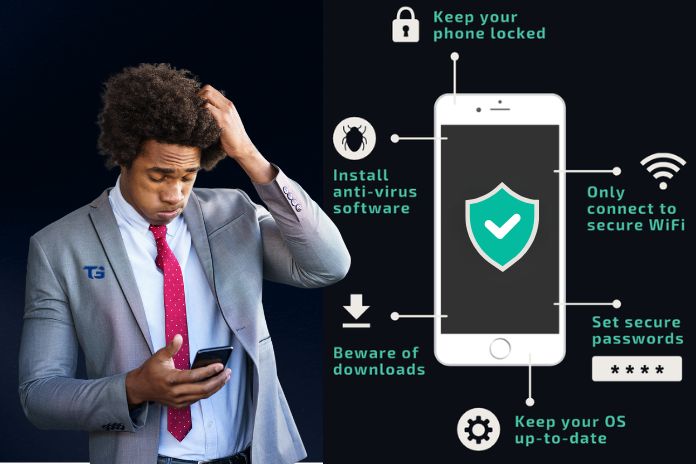
Smartphones are no longer just used for calls and messages because they store important information such as banking apps, email accounts, personal documents, passwords, shopping accounts, work information, and private conversations. Because of this, it is very important to protect your smartphone. If you lose your smartphone or someone gains unauthorized access then your personal information could be exposed to others. By following a few simple steps provided in this article, you can protect your data and reduce the risk of malware and online scams.
According to cybersecurity experts, most of the security problems on the smartphone are caused by weak passwords or downloading apps from untrusted sources rather than advanced hacking techniques. Instead of using advanced hacking techniques cybercriminals take advantage of weak passwords, outdated software, phishing scams, or unsafe network connections to gain access to the sensitive information. Understanding these common risks is the first step toward protecting your device.
Common Causes Of Smartphone Security Risks
- If you use a weak or easy-to-guess password such as sequential numbers, system defaults or standard keypad trails can make it easier for hackers to gain access to your personal information.
- If you use the same password for multiple accounts then all of your accounts will be at risk if one account is compromised.
- Using outdated software is one of the common causes of smartphone security problems. You need to install the latest software and security updates to protect your smartphone.
- Most of the users accidentally click fake links, open phishing emails or text messages as these links may contain malware or redirect users to fake websites designed to steal your personal information.
- One of the common causes of smartphone security problems is downloading apps from untrusted websites or unknown sources. This increases the risk of installing harmful software on your smartphone.
- If you use the unsecured public Wi-Fi for sensitive activities such as online banking or shopping or login to your accounts then it may compromise your personal information.
- Connecting your phone to charge at unknown public charging stations such as shopping malls, hotels, or train stations may expose your smartphone to potential security risks.
- If you ignore security warnings or grant unnecessary permissions to apps as they may gain access to your contacts, photos, location, or other personal data.
Essential Tips to Protect Your Smartphone
Use A Strong Lock Screen Password
Many users mainly focus on protecting their smartphone from malware but they forget to use a strong lock screen password. Modern smartphones also offer biometric security such as fingerprint or facial recognition. When combined with a strong PIN or password, these features provide an additional layer of protection while protecting your device from unauthorized access. But it is easy for you to unlock it via fingerprint or facial recognition.
Use Strong Passwords For All Your Accounts
Every online account should have a unique password. Reusing the same password across multiple accounts increases the risk that one compromised account could expose all of your other accounts. Creating long, unique passwords or passphrases significantly reduces this risk. Use a strong, complex, and unique password for each one of your online accounts. Security experts generally recommend passwords or passphrases that are at least 14–16 characters long and include a combination of uppercase letters, lowercase letters, numbers, and symbols. Using a password manager can make it much easier to create and store unique passwords securely.
Install a Trusted Mobile Antivirus App
You should have an antivirus app installed on every one of your devices, including mobile devices. Install a mobile antivirus app from a trusted software company and scan your device regularly. Malware tends to run in the background and it is very difficult to find. Scanning the smartphone with an antivirus app can help you identify and remove these threats.
In addition to scanning for malware, many reputable mobile security apps provide features such as phishing protection, malicious website blocking, app privacy monitoring, and alerts if your personal information appears in known data breaches.
Avoid Public Wi-Fi and Public Charging Stations
The problem with public Wi-Fi networks is that they’re public – anyone who happens by can connect to them. That includes cybercriminals, who can use the public nature of the network to spy on users’ activity. This could compromise your login credentials for accounts you sign into as well as any data in the accounts. Avoid using public Wi-Fi, and if you do, don’t do any banking or shopping.
If you need to access sensitive accounts while away from home, consider using your mobile data connection or a trusted Virtual Private Network (like NordVPN), which encrypts your internet traffic and makes it more difficult for attackers to intercept your information.
You should also avoid using public chargers, like those ones at the airport. Hackers have been known to install malware. Although modern smartphones include stronger protections against “juice jacking,” using your own charger or a portable power bank is still considered a safer practice, especially when charging in public places.
Keep Your Operating System Updated
Using outdated software is one of the common causes of smartphone security problems. Enable automatic software updates option on your mobile and install the security updates without any delay. The latest software updates often include security patches that fix newly discovered vulnerabilities before cybercriminals can exploit them. Using outdated software may leave your device exposed to potential security risks.
Beware of Phishing Scams
Common phishing attempts often include fake delivery notifications, text messages, banking alerts, account verification requests or prize offers that are designed to trick people into clicking malicious links. These links may contain malware or redirect users to fake websites designed to steal your personal information.
You should be generally suspicious of any email you get from someone you don’t know, especially if it’s trying to create a sense of urgency or elicit an emotional reaction. Avoid downloading attachments from strange emails, and don’t click on any links anyone sends you either, unless you know them and were expecting it. If an email or message appears to come from your bank, employer, or a popular online service, avoid using the links provided in the message. Instead, open the official app or type the website address directly into your browser.
Malware poses a huge threat to smartphone users, and you really can’t be too careful. Make sure you’re practicing common-sense security protocols and using a reliable mobile antivirus program. Otherwise, your personal information is at risk.
Enable Find My Device
To enable Find My iPhone or Find My Device on Android is one of the smartest ways to protect your smartphone. If you lost your smartphone or were stolen by someone, then find my device option can track or locate your phone. It also provides additional features such as lock remotely, display a message or erase your personal data if the recovery of the smartphone isn’t possible.
Download Apps Only from Trusted Sources
Install applications only from official app stores such as Google Play or the Apple App Store. These official app stores check apps for security before making them available to users. This reduces the risk of installing harmful software on your smartphone. You need to avoid installing APK files or apps from unknown or third party websites as they may contain malware or viruses which are designed to steal your personal information
Conclusion
Installing an antivirus app or using strong passwords alone is enough to protect your smartphone from security threats. To protect your smartphone you need to follow good security practices everyday. The good security practices include using strong passwords, keeping your phone updated, avoiding phishing scams, downloading apps only from trusted sources, and using built-in security features to help keep your smartphone safe. By following the simple steps you can protect your personal information, online accounts, and financial data from cybercriminals.
Also Read:
- What Is Smishing In Cyber Security?
- Best 5G Mobiles Under Rs. 30,000 In India
- Top Tech Gadgets Used In The UK
