
What Is a Tracing App? How Contact Tracing Apps Work
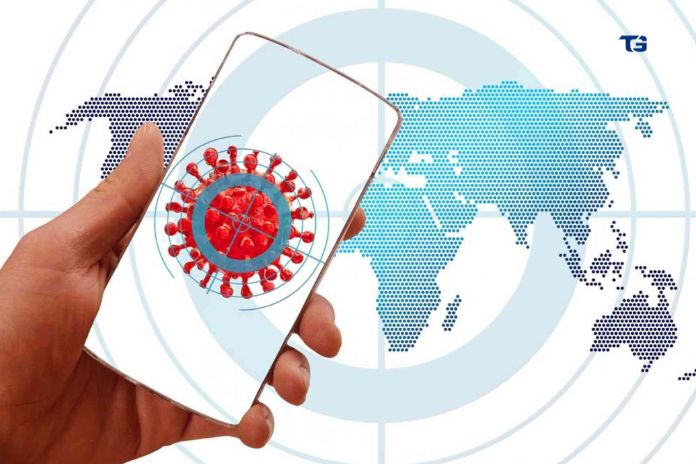
A tracing app for a smartphone can identify whether a device has been near another device or user, depending on how it’s designed. Some apps also log when those encounters happen. Tracing apps got particular attention during COVID-19, when they were used to help identify who an infected person may have exposed.
Tracing vs. Tracking: What Is the Difference?
During the pandemic, contact tracing helped identify people who may have been exposed to an infected person. Tracing and tracking are related but serve different purposes. Tracking monitors a device’s location or movement over time — GPS data, for instance. Tracing pieces together of information gathered at different times to establish a sequence of events or contacts.
“Tracking” comes up often in location services and online marketing, where movement data is what makes live tracking possible. Tracing also shows up in logistics, where it is used to trace a shipment through the stages of the supply chain.
In Germany, contact-tracing apps were developed during COVID-19 to help identify potential contacts. Bluetooth-based apps could detect nearby smartphones, depending on how they were built. If a user tested positive, anyone whose device had registered a qualifying contact could be notified that they may have been exposed — though the system only works if both people have the app installed.
PEPP-PT was one of the proposed approaches for COVID-19 contact tracing in Europe. Institutions including the RKI, working with the BSI, were involved in building it out. The technology measures contact through a Bluetooth connection.
What Does a Tracing App Mean for Users?
Data protection was one of the main concerns surrounding contact-tracing apps. However, the privacy characteristics of a tracing app depend on how the system is designed and implemented. Some contact-tracing systems used retention periods such as 21 days, although the exact period depended on the implementation. In addition, some systems were designed to store contact information locally on devices rather than on a central server.
Tracing apps provide valuable information in everyday life and can also help in times of crisis. In the current corona crisis, however, the app can only help to be successful if as many people use it as possible. The effectiveness of a contact-tracing app depends partly on adoption, because broader use can increase the number of potential contacts that can be identified.
How Does a Tracing App Work?
Some COVID-19 contact-tracing apps were based on approaches such as PEPP-PT. In the first step, user data is anonymised by constantly generating new device IDs at specific intervals. These temporary identifiers could change at regular intervals to reduce the use of a permanent identifier. The ID is only saved if two smartphones are in the same place for longer than 15 minutes. Depending on the system’s criteria, a contact event could be recorded when two smartphones remained within a defined proximity for a specified period. No movement data or location information is collected. However, for the app to work, Bluetooth must be activated on the smartphone.
Conclusion
Tracing apps were built to help identify potential contacts during the COVID-19 pandemic. Unlike tracking, which monitors a device’s location or movement, contact tracing focuses on possible interactions between people or devices. Bluetooth-based systems can do this without collecting precise location data. Still, you should consider privacy, data storage, and how each app is designed before using this kind of technology.
